What Humans See as Blood, Jaguars See as Chicha
( Lo que los humanos ven como sangre los jaguares ven como chicha )
No tagline for this movie
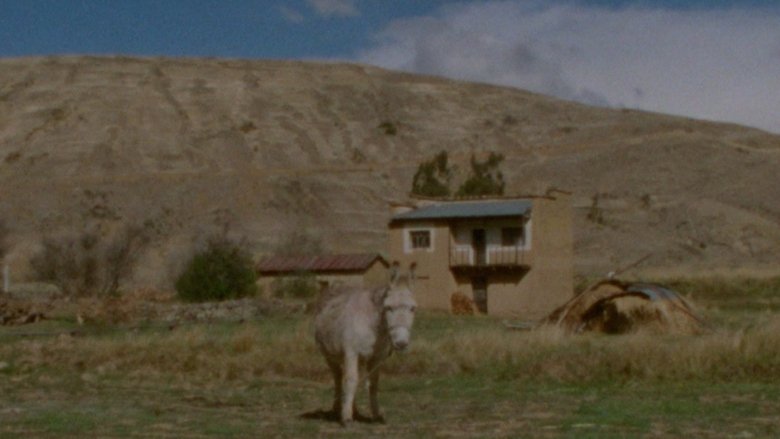
In the rural desert of Bolivia, where the most important presence is the wind moving between papa flowers and animals, the people who harvest the land, those who built the ancient artifacts and sacred objects and the musicians who play moseñada – songs linked to the first products of the harvest – on the streets of the city have one point in common: labor. With a successful inclusion of stories of enchanted lakes, legends that pass from mouth to mouth – or from orality to audiovisual, in this case – and give a fantastic aura to those lands, Luciana Decker Orozco not only manages to capture life without oscillations . field, but resorts to the incessant movement of images and sound accompaniment to define a sensory and transcendental experience for the viewer.


![Pico Sacro [The Holy Mountain]](https://image.tmdb.org/t/p/w185/hr3xO9cKU0oRw8lEa3lXGTOKFRA.jpg)